Photo: Martin Graf
In recent years, the Mexican Caribbean has begun to show clear signs of ecological recovery. One of the most encouraging indicators is the increase in shark sightings—a direct sign of healthy marine ecosystems. This achievement is no coincidence, but the result of coordinated efforts among local communities, civil society organizations, and government authorities.
Saving Our Sharks Foundation, through its Isla Mujeres Shark Initiative—in partnership with the Kab Xok cooperative—has reached a historic milestone: saving more than 30,000 sharks since the program began in 2022. This work has led to an 80% reduction in shark fishing in the region, transforming an extractive activity into a model of conservation and sustainable development.
One of the most important pillars of this initiative has been the transition of former shark fishermen into true ocean guardians. Today, these “Masters of the Sea” lead monitoring, research, and community-based tourism efforts, demonstrating that conservation can also generate economic opportunities and social well-being.
The increase in shark sightings in the Mexican Caribbean represents far more than good news for biodiversity—it is a relief for coral reefs. As apex predators, sharks play an essential role in regulating other species, preventing imbalances that could affect the entire food chain. Their presence helps maintain more resilient, healthy, and thriving reef systems.
However, their return also brings greater responsibility for those who visit the ocean. Understanding what to do when encountering a shark is essential to ensure safe interactions for both people and wildlife, while helping to dispel myths about this vital species.
What should you do when encountering a shark?
In the event of an encounter with a shark, the golden rule is to remain calm. Sharks do not see humans as prey, and most encounters occur without incident. It is important to avoid sudden movements, not attempt to touch them, and always respect their space. Keeping a safe distance and observing them from the front with respect allows for a unique experience without putting either party at risk.
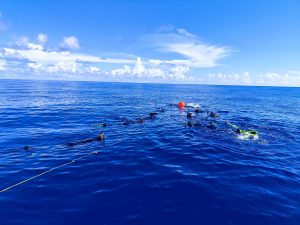
Environmental education plays a fundamental role in promoting safe, responsible, and conscious interactions with marine wildlife. Learn about the work of civil society organizations and authorities that support sustainable management. If you take part in a specialized shark-watching activity, it is recommended to do so with service providers that promote best practices, such as the Kab Xok Cooperative.
Best Practices Manual for Bull Shark Diving – MAR Fund
Do you have questions? Contact Saving our Sharks now.
The increase in sightings should not be interpreted as a danger, but as an opportunity to reconnect with nature and appreciate the positive impact of conservation. Each encounter is a reminder that ecosystems can recover when collective efforts are properly directed.
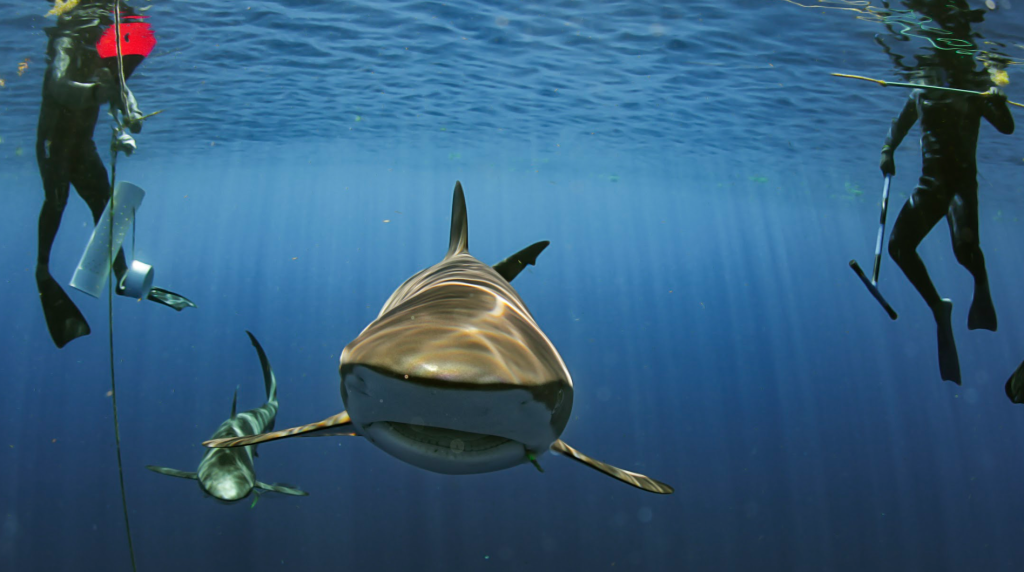
The case of sharks in the Mexican Caribbean demonstrates that collaboration between science, communities, and the private sector can generate real change. Today, more sharks swimming in these waters not only signal a healthier ecosystem, but also a more promising future for those who depend on the sea.
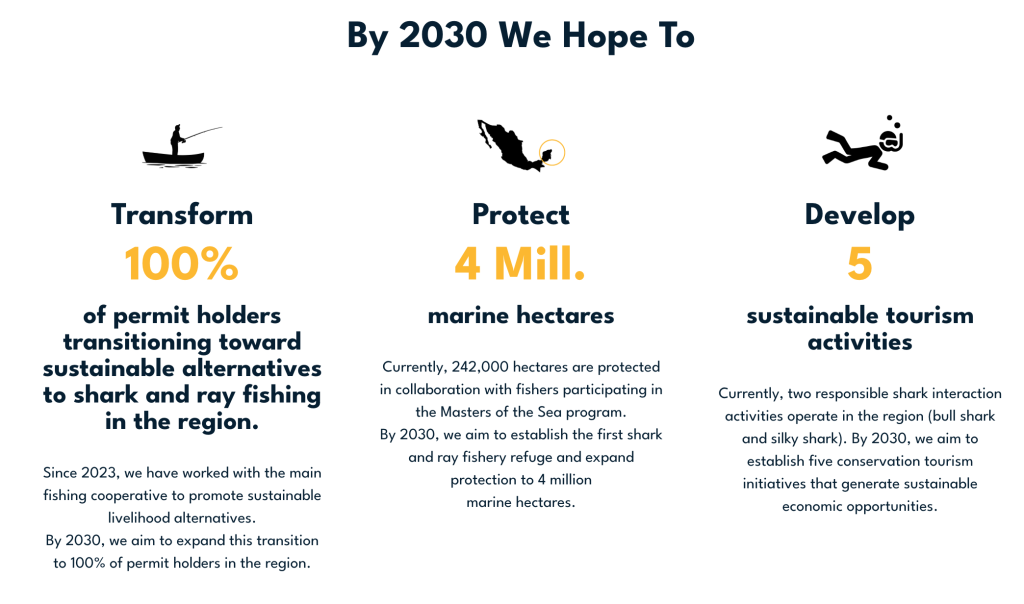
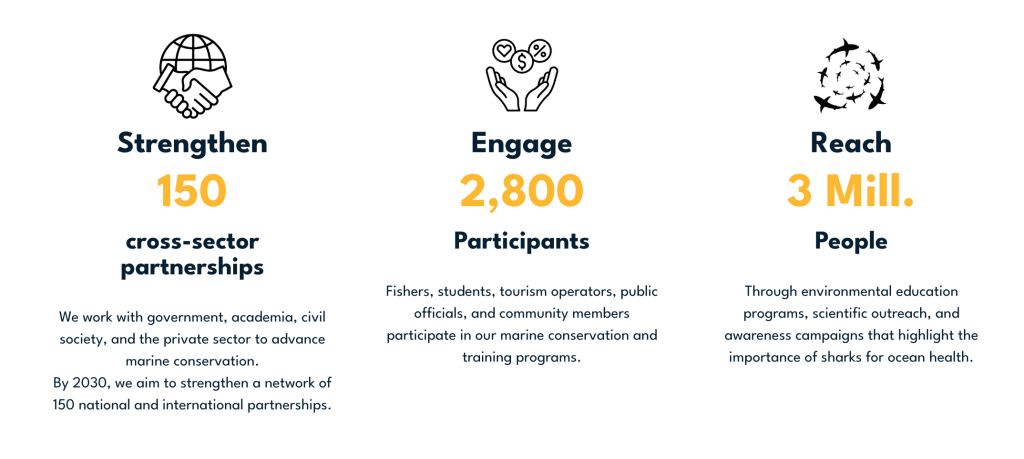
Looking ahead, at Fundación Saving Our Sharks we are working to expand our ecological, economic, and social impact. Our vision toward the 2030 Agenda is to consolidate a comprehensive conservation model that promotes shark protection, strengthens sustainable local economies, and fosters a culture of respect and care for marine life.